
Ireland, Ireland together standing tall, Shoulder to shoulder, We’ll answer Ireland’s call.
Those stirring words from Ireland’s Call, as belted out by Irish rugby players and fans before matches, played on a loop in my head as I approached the misty shores of the Emerald Isle. My stomach still churned from the choppy ferry crossing, but curiosity trumped any discomfort. Not curiosity, for once, about some legendary far-away land – a Timbuktu or a Zanzibar – but about a close neighbour.
A move to public school at eleven also meant switching from my beloved football to rugby. This was something to be endured not enjoyed. The chafing of ears on ears and the grazing of knees on frozen pitches, driven on by sadistic sports teachers, was not my idea of fun. Yet, by the time I visited Ireland, I had come to appreciate the beauty of the game, provided I could participate from the comfort of my armchair, cold beers to hand, with the only physical demand being bladder control to avoid missing any action.
I was inspired by England’s Grand Slam winning sides under the captaincy of Will Carling – their brute force and dogged determination up-front combined with the points-scoring magic of Rory Underwood and Rob Andrew. But the passion of the Irish side and its supporters seldom failed to leave an impression too; I came to regard them as something of a second team, albeit a distant one when they faced England!
What I didn’t know then is that Ireland’s Call is not the national anthem but rather one written specifically for Irish rugby. The Irish rugby team – unlike the football team – is drawn from both sides of the border. Ireland’s Call is uncontroversial enough to be sung by both Nationalists and Unionists it seems while the Irish National Anthem – Amhrán na bhFiann – is too politically loaded, commemorating as it does Ireland’s independence from the United Kingdom.
So, if rugby accompanied my arrival, how did I re-board the ferry three days later? Music had perhaps the biggest impact. The passion that I had glimpsed through Irish sports was just the start. It felt as if everyone in Dublin was a budding musician from the whistling street sweeper to the chorus of friends encircling a guitarist in the park. And the live music in pubs was as electric as it was eclectic – from traditional fiddlers to progressive rock. Music runs through Irish veins, mixing with Guinness and whiskey.
Talking of which, what of the old debate: who drinks more, the English or the Irish? Sadly, I couldn’t conduct an empirical study to settle this thorny question – a short family holiday was hardly conducive to hanging out in bars. That said, I did witness enough drinking prowess to support the home side’s claim. And a fascinating visit to the Guinness Storehouse underlined just how engrained this iconic drink is in popular culture and the reverential regard with which it has been held since 1759.
I briefly resumed my research some years later on a business trip to Cork (to visit a call centre which handled enquiries on behalf of the British Consulate General in Madrid where I acted as Consul). Ireland had just introduced a smoking ban and it was a real novelty to breathe in clean air between sips from my pint and to observe my surroundings in high definition, unfiltered by cigarette smoke – random knick-knacks clinging to walls, beads of sweat dripping from musicians, and every blemish and idiosyncrasy of the local clientele.
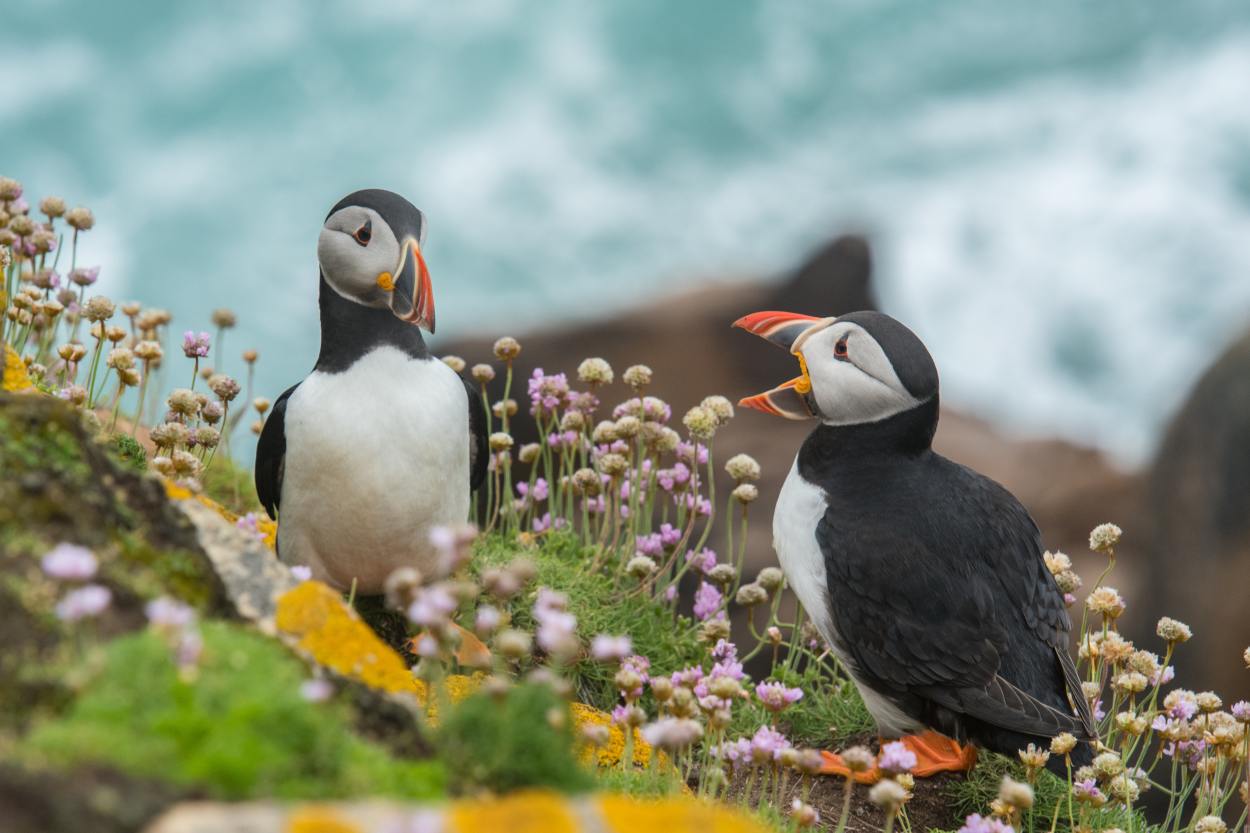
I would love to return to Ireland some day and venture outside its cities to see iconic natural sights like the Giant’s Causeway, the Cliffs of Moher or the puffins nesting on the Saltee Islands. Until then, I will continue to enjoy the lung-busting runs and vocals of Ireland’s player-musicians ably accompanied by their passionate fans, a taste of Ireland in my living room.
Photo credit: Wynand Van Poortvliet on Unsplash
 Nomad Scribe